Moisture-resistant materials for professional environments
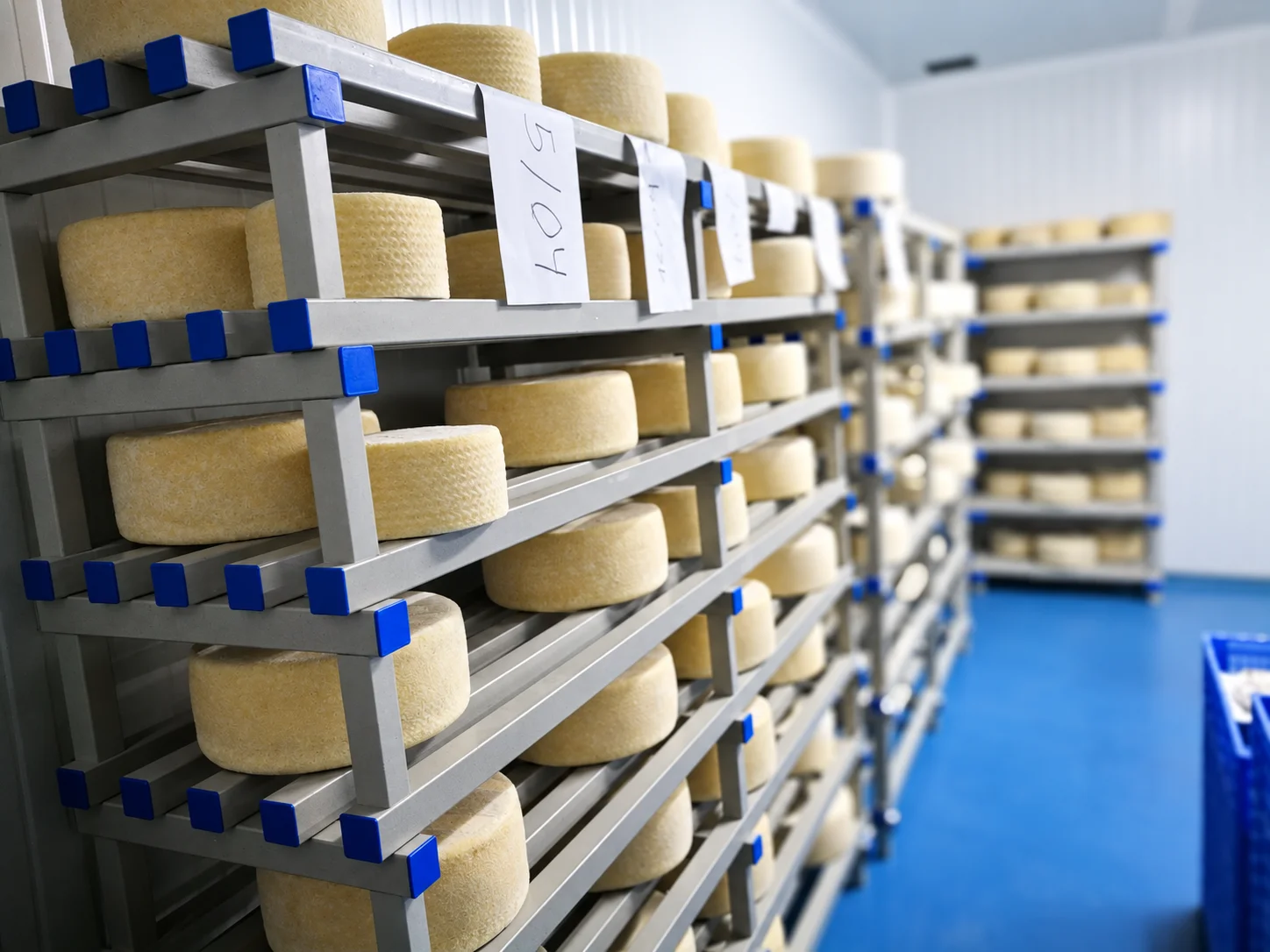
Moisture is a common factor in many professional facilities. Cold rooms, kitchens, food storage areas, washing areas and changing rooms may face constant exposure to water, condensation, temperature changes and frequent cleaning.
Choosing the right materials for furniture and equipment is therefore particularly important in these environments. Prolonged exposure to moisture can accelerate the deterioration of certain materials, increase maintenance requirements and shorten their service life.
For this reason, it is advisable to look beyond the initial cost and assess factors such as resistance to moisture and corrosion, ease of cleaning, maintenance requirements and long-term performance.
Why does moisture affect the service life of materials?
Moisture does not affect every material in the same way. It can cause corrosion in some metals, while certain porous materials may absorb water, warp or gradually deteriorate.
In professional facilities, moisture also rarely acts as an isolated factor. It can combine with low temperatures, cleaning products, direct contact with water and intensive daily use.
Particularly demanding environments
A cold room is a good example. Any equipment installed inside must maintain its performance in a low-temperature, humid environment while also allowing for effective cleaning. Professional kitchens, washing areas and certain parts of food-processing facilities face similar conditions.
In these environments, choosing moisture-resistant materials from the outset helps to reduce deterioration and ensures that the equipment is better suited to actual working conditions.
Materials that perform best in humid conditions
Manufacturers use a range of materials to produce furniture, shelving and other equipment for professional environments. The most common options include PVC, stainless steel and aluminium.
Each material has different characteristics. The aim is not simply to decide which material is best, but to identify the one that best meets the requirements of each facility.
PVC
PVC offers particularly useful properties for environments where moisture is commonplace. As a plastic material, it does not rust when exposed to water, which gives it an important advantage over metals that are susceptible to corrosion.
It also provides surfaces that are easy to clean and maintain. This is especially important for furniture used in the food industry, cold rooms, professional kitchens and other facilities with strict hygiene requirements.
The PVC used to manufacture professional equipment performs well in areas where moisture and frequent cleaning form part of normal working conditions.
At Decoplastic, we use PVC to manufacture shelving, cabinets, benches, tables, trolleys and other professional furniture solutions. We adapt each product to the needs of facilities where strength, hygiene and durability are essential.
Stainless steel
Stainless steel also plays an important role in professional facilities, particularly in the food industry. When the appropriate grade is selected for the intended use, it offers high mechanical strength and good resistance to corrosion.
It is commonly used for work surfaces, machinery and other elements that require specific mechanical properties.
However, stainless steel comes in different grades, and its performance can vary when exposed to certain environments or chemical agents. The selection process should therefore take account of both the environmental conditions and the cleaning procedures that will be used.
Aluminium
Aluminium stands out mainly because it combines low weight with corrosion resistance. Its light weight makes it suitable for a wide range of structures and equipment.
It generally performs well in humid conditions thanks to the protective layer that forms naturally on its surface. However, certain environmental conditions or chemical agents can affect this protection.
When comparing PVC and aluminium for a professional facility, it is therefore important to consider more than weight or price. Moisture levels, cleaning frequency, the products used and maintenance requirements should also form part of the decision.
Factors that affect durability
Choosing a suitable material is the starting point, but the durability of the equipment also depends on the specific conditions in which it will be used.
The same material may perform differently in a dry warehouse, a cold room or an area that undergoes daily washdowns.
Corrosion
Corrosion is one of the main factors to consider when using metal components in humid environments. Water and certain chemical agents can contribute to the gradual deterioration of some materials.
Particularly demanding facilities therefore require corrosion-resistant materials and solutions that retain their properties despite regular exposure to moisture.
Corrosion-resistant plastics, such as PVC, offer a specific advantage in this respect: unlike metals, they do not oxidise. Manufacturers can therefore use them to produce furniture and equipment for humid areas without applying treatments designed to prevent rust.
Cleaning and maintenance
In a professional facility, resistance to moisture is not enough. The material must also allow staff to carry out routine cleaning tasks effectively.
This is particularly important in the food industry, where hygienic conditions throughout the premises and on the equipment form part of daily operations.
Easy-to-clean surfaces and structures simplify maintenance and provide better access to different parts of the furniture. In shelving systems, for example, the right configuration makes it easier to keep both the shelves and the surrounding floor area in good condition.
PVC combines moisture resistance with low maintenance requirements, making it particularly suitable for facilities that require frequent cleaning.
Which material should you choose for each facility?
The intended use of the equipment should always guide the choice. Shelving installed in a conventional warehouse does not face the same requirements as shelving that remains permanently inside a cold room.
Cold rooms and humid areas
In cold rooms, washing areas and other high-humidity environments, it is particularly beneficial to use materials that do not rust on contact with water and that allow for frequent cleaning.
In this context, PVC offers a combination of properties that makes it especially suitable for manufacturing shelving and furniture for cold rooms and other humid environments.
It also makes it possible to create configurations tailored to the dimensions of each facility, helping businesses make the best use of the available space and organise their equipment effectively.
Food industry and professional kitchens
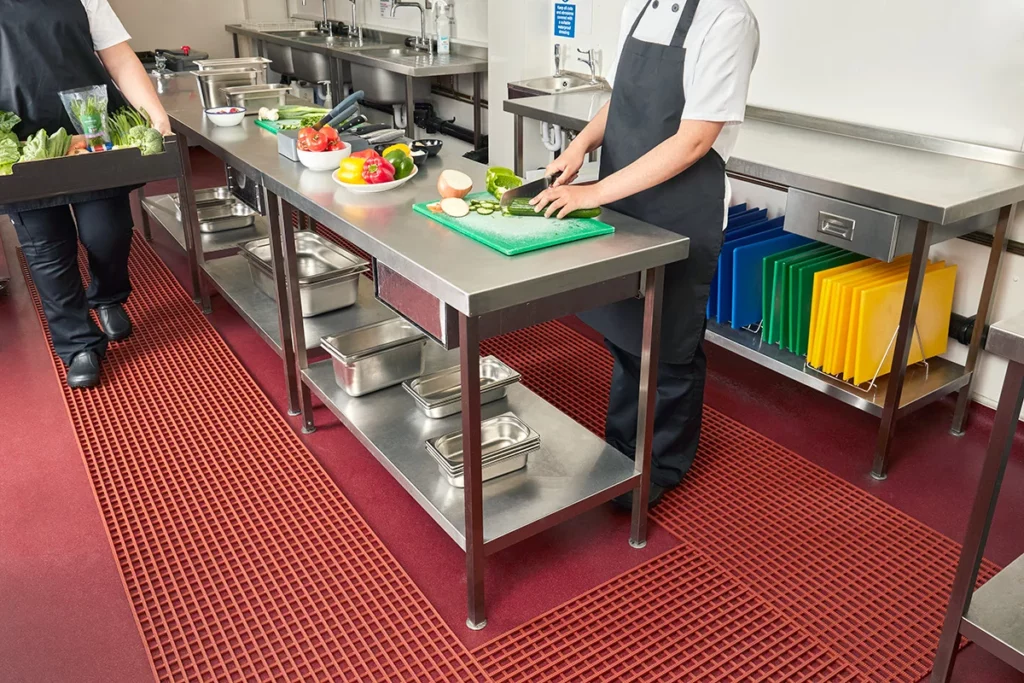
In food-processing facilities and professional kitchens, resistance must go hand in hand with ease of cleaning, hygiene and the ability to withstand continuous use.
Shelving, tables, trolleys, cabinets and benches may face daily exposure to moisture, cleaning and frequent handling. Choosing suitable materials from the outset can therefore reduce future maintenance and replacement requirements.
Changing rooms and other professional facilities
Moisture is also common in changing rooms, swimming pools, sports facilities and other areas that regularly come into contact with water.
In these environments, products such as benches and cabinets, as well as shelving, must be able to withstand humid conditions without suffering premature deterioration.
Before choosing a material, it is advisable to consider all the following factors:
- Humidity level within the facility.
- Direct or frequent contact with water.
- Operating temperature.
- Cleaning products used.
- Maintenance frequency.
- Loads that the equipment will need to support.
- Intensity of use.
- Expected service life.
Assessing all these factors makes it possible to base the decision on long-term performance rather than solely on the product's initial cost.
Equipment designed to withstand demanding environments
Choosing the right moisture-resistant materials is essential for creating professional facilities that are durable, hygienic and easy to maintain. PVC, stainless steel and aluminium offer different properties, and the best choice will always depend on the specific requirements of each environment.
When moisture, frequent cleaning and corrosion resistance are particularly important, PVC offers highly beneficial properties for manufacturing professional furniture.
At Decoplastic, we manufacture PVC shelving, cabinets, tables, benches and trolleys for the food industry, cold rooms, professional kitchens, warehouses and changing rooms. Moisture-resistant PVC provides durable, low-maintenance equipment for daily use.

Did you find this article interesting?