Blog
Thermoplastics vs Thermosets: Differences, Advantages and Applications
Thermoplastics and thermosets are two types of plastic materials widely used across industries such as food processing, healthcare, manufacturing and logistics. Although both belong to the polymer family, they differ significantly in their structure, performance and applications. Choosing the right material plays a key role in ensuring the durability, safety and long-term performance of any […]
Organizing a Small Warehouse for Hospitality, Logistics, or the Food Industry
Limited storage space remains one of the biggest challenges in hospitality, light logistics, and the food industry. Poor warehouse organization wastes time, increases inventory errors, and creates hygiene issues. That’s why knowing how to organize a small warehouse plays a key role in improving productivity, making the most of available space, and managing products efficiently. […]
Working in a Cold Room: Risks, Safety Measures and Best Practices
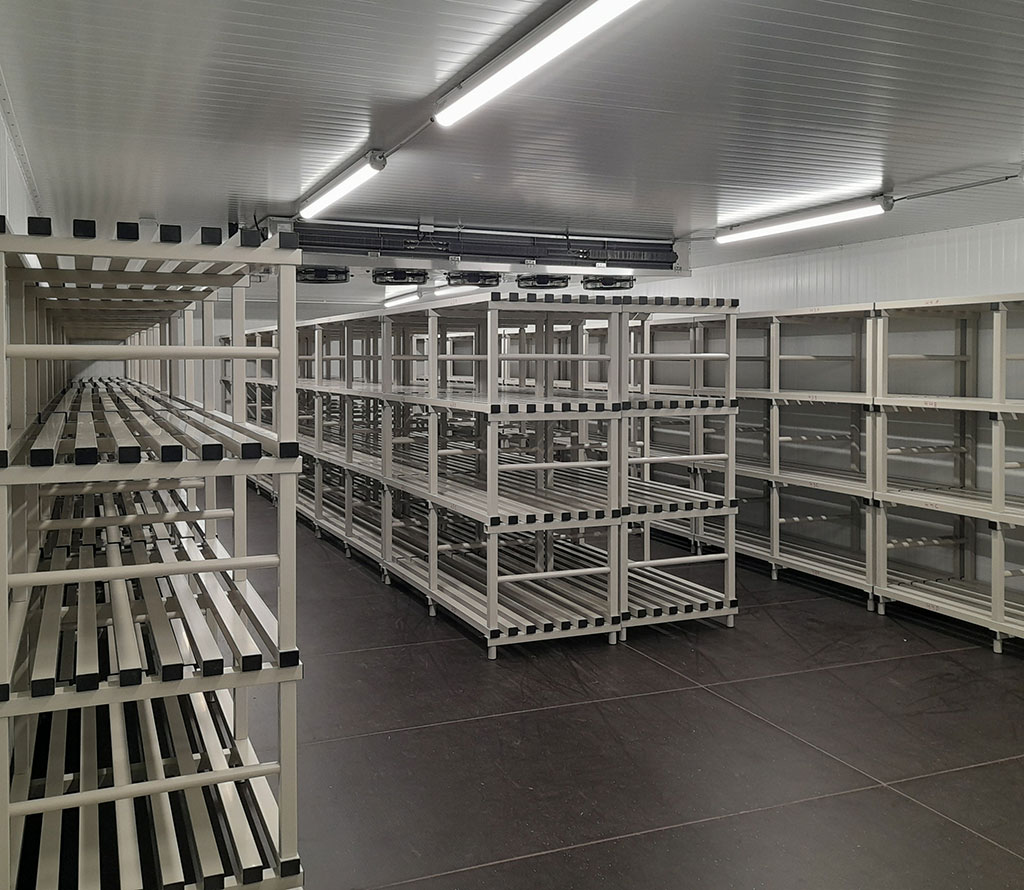
Cold rooms play a vital role in industries such as food processing, logistics, and distribution. They help preserve products under optimal conditions, but they also expose workers to low temperatures for extended periods. Although working in a cold room involves certain risks, it does not have to harm workers’ health when companies implement appropriate preventive […]
Food Industry Locker Regulations: Hygiene Requirements and Recommended Locker Materials
Learn about the legal requirements for lockers in the food industry: permitted materials, compartments, and hygienic design in accordance with European regulations.
PVC Temperature Resistance: Properties and Industrial Applications
PVC does not have a single, sharply defined melting point like semi-crystalline plastics do. Since it is an amorphous polymer, it softens gradually as the temperature rises. If exposed to excessive heat, it may start to degrade before reaching a clean melt. In practical terms, PVC typically begins to soften at around 75–85 ºC, industrial […]
Shelving storage regulations: Safety standards and best practices for warehouses
Shelving storage regulations play a vital role in preventing accidents, protecting goods, and maintaining warehouses that are safe, efficient, and easy to manage. In any professional facility, companies should not assess shelving solely by its load capacity or storage optimization. Stability, suitability for the environment, ease of inspection, and long-term performance under daily use also […]
Types of shelving: How to choose the right option based on use, material, and environment
Choosing the right type of shelving plays a key role in any warehouse, professional kitchen, cold room, supermarket, laboratory, winery, or industrial facility. Not every shelving system offers the same strength, hygiene standards, or resistance to moisture, corrosion, and cleaning products. Before selecting a system, it’s important to evaluate the type of load, the available […]
Warehouse organization: The complete guide to optimizing space and logistics
Warehouse organization plays a critical role in the success of any supply chain. Poorly structured facilities create bottlenecks, delays, higher operating costs, and increased risks of accidents or product damage. In industrial and professional environments, companies need to optimize every square meter and design logical workflows to stay competitive. This technical guide targets operations, logistics, […]
Types of storage racking systems and their applications
Storage racking plays a key role in the logistics organization of any industrial warehouse. It helps optimize available space, streamline inventory management, and improve the flow of goods. Several types of storage racking exist depending on the management system, load type, and environmental conditions. Choosing the right system directly impacts operational efficiency, safety, and equipment […]
Warehouse zones: Key areas and their logistical function
A professional warehouse relies on clearly defined zones, each designed to support a specific function. This structure improves product flow, boosts operational efficiency, and enhances safety across the facility. When you understand these areas, you can design more efficient layouts, choose the right equipment, and ensure smooth, safe operations. For a broader view, you can […]