Blog
Category:PVC

Hygienic PVC: Properties, Benefits and Applications
In hospitals, laboratories and food processing facilities, equipment must withstand frequent cleaning, moisture, and continuous use. Choosing suitable materials helps maintain high hygiene standards and reduces the maintenance required to keep furniture in good condition. Hygienic PVC offers easy-to-clean surfaces, moisture resistance, and versatility across a wide range of professional environments. These properties make it […]

PVC chemical resistance: properties and advantages
In a professional facility, furniture faces much more than everyday use. Cleaning products, splashes, moisture and temperature changes can damage surfaces and shorten their service life. For this reason, when choosing shelving, lockers or trolleys, it is important to consider how the material responds to the substances present in each area. PVC chemical resistance is […]
Moisture-resistant materials for professional environments
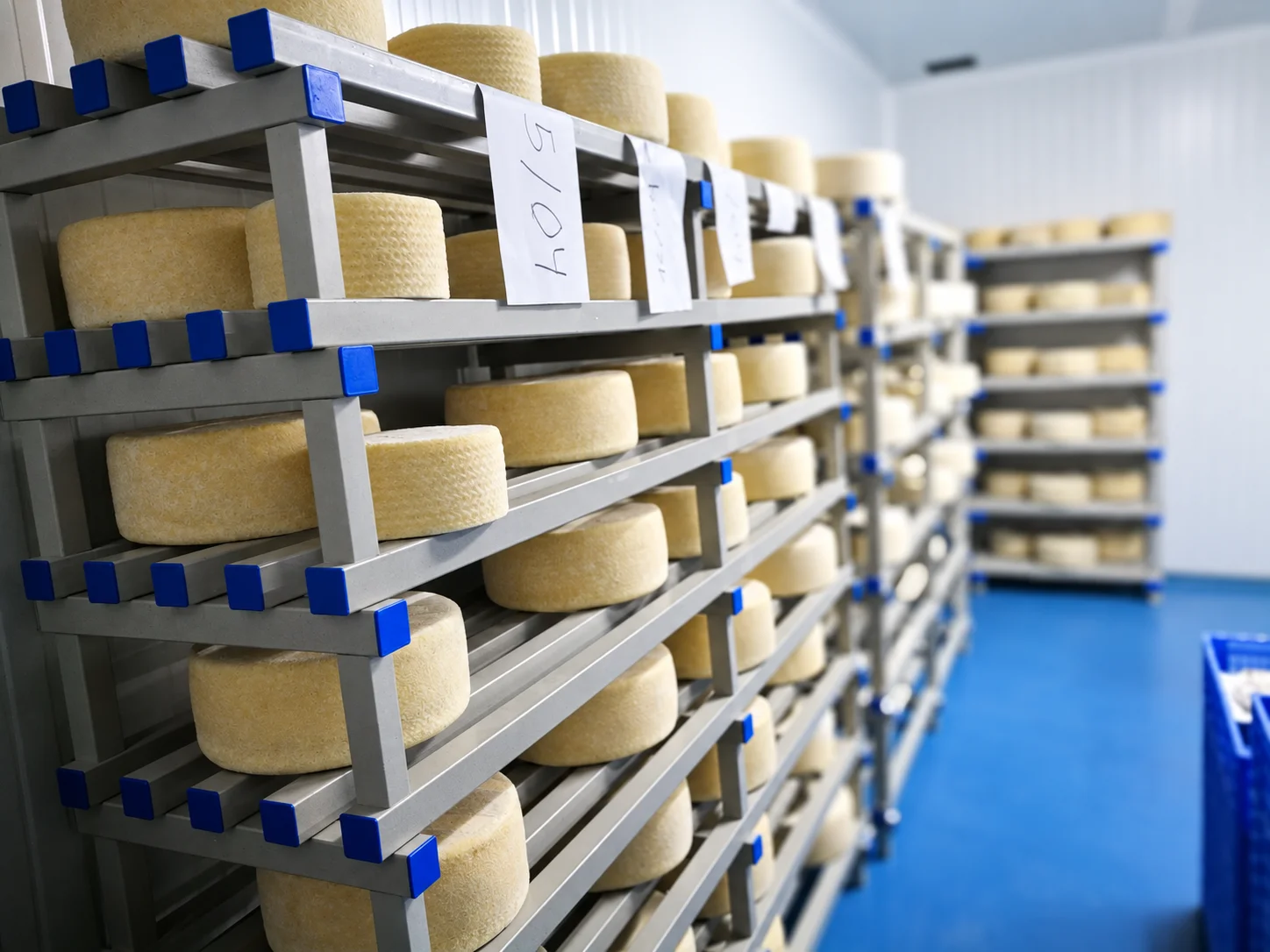
Moisture is a common factor in many professional facilities. Cold rooms, kitchens, food storage areas, washing areas and changing rooms may face constant exposure to water, condensation, temperature changes and frequent cleaning. Choosing the right materials for furniture and equipment is therefore particularly important in these environments. Prolonged exposure to moisture can accelerate the deterioration […]

Thermoplastics and thermosets: differences, durability and applications
Technical plastics feature in a wide range of professional facilities, from cold rooms and food production areas to changing rooms, laboratories and industrial spaces. However, they do not all respond in the same way to heat, moisture, chemicals or intensive use. One of the most useful ways to understand their behaviour is to distinguish between […]

PVC vs Aluminum: Which Material Is Better for Professional Environments?
Choosing the right material for a professional installation involves much more than comparing purchase prices. Factors such as durability, maintenance requirements, moisture resistance and long-term performance all have a direct impact on the lifespan of the equipment and the overall cost of ownership. When comparing PVC vs aluminium, it is important to consider how each […]

Thermoplastics vs Thermosets: Differences, Advantages and Applications
Thermoplastics and thermosets are two types of plastic materials widely used across industries such as food processing, healthcare, manufacturing and logistics. Although both belong to the polymer family, they differ significantly in their structure, performance and applications. Choosing the right material plays a key role in ensuring the durability, safety and long-term performance of any […]

PVC Temperature Resistance: Properties and Industrial Applications
PVC does not have a single, sharply defined melting point like semi-crystalline plastics do. Since it is an amorphous polymer, it softens gradually as the temperature rises. If exposed to excessive heat, it may start to degrade before reaching a clean melt. In practical terms, PVC typically begins to soften at around 75–85 ºC, industrial […]

What do you use to clean PVC? A complete and safe guide
You can clean PVC effectively using gentle products that do not damage its surface. The safest and most effective options include: These methods remove dirt, grease, and stains without affecting the material. PVC offers excellent chemical resistance, but harsh solvents or abrasive products can damage its finish, cause discoloration, or degrade the surface over time. […]

Where does PVC come from and what is its formula?
When we ask where PVC comes from, the answer goes beyond a chemical formula. Its origin explains why so many industrial, healthcare, and technical sectors rely on this material. Both the raw materials and the molecular structure influence its final properties and its performance in demanding professional environments. PVC is a synthetic polymer whose composition […]
